September 13, 2010
Berosh HaShannah – Untaneh Tokef
Unetanneh Tokef (Sephardic Pronunication) or Unesanneh Tokef (Ashkenaz Pronunciation) (ונתנה תוקף) is a piyyut (Jewish liturgical poem) that has been a part of the Rosh Hashanah and Yom Kippur liturgy in rabbinical Judaism for centuries. It introduces the Kedusha of Musaf for these days. The ArtScroll machzor calls it “one of the most stirring compositions in the entire liturgy of the Days of Awe.” It is probably the best-known piyyut after Kol Nidrei.
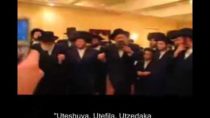
I selected this version because it has the English words displayed in time with the Hebrew words. You can find some very artistic and almost operatic versions on YouTube.
Wikipedia gives the full text of this piyyut. Below I have included the introduction to the above video (not included in the video itself). The Talmud interprets the Torah in giving four capital punishments: stoning (including falling off a building), burning (fire), strangulation, slaying (for example by sword). The piyyut alludes to these, as some commentators have suggested that even deaths today fall into these four categories, for example, if someone dies drowning (heaven forbid), that would fall in the strangulation category.
English Text of Verse 2
“All mankind will pass before You like members of the flock. Like a shepherd pasturing his flock, making sheep pass under his staff, so shall You cause to pass, count, calculate, and consider the soul of all the living; and You shall apportion the fixed needs of all Your creatures and inscribe their verdict.
On Rosh Hashanah will be inscribed and on Yom Kippur will be sealed how many will pass from the earth and how many will be created; who will live and who will die; who will die at his predestined time and who before his time; who by water and who by fire, who by sword, who by beast, who by famine, who by thirst, who by storm, who by plague, who by strangulation, and who by stoning. Who will rest and who will wander, who will live in harmony and who will be harried, who will enjoy tranquility and who will suffer, who will be impoverished and who will be enriched, who will be degraded and who will be exalted. But repentance, prayer, and charity remove the evil of the Decree!”
וְכָל בָּאֵי עולָם יַעַבְרוּן לְפָנֶיךָ כִּבְנֵי מָרון. כְּבַקָּרַת רועֶה עֶדְרו. מַעֲבִיר צאנו תַּחַת שִׁבְטו .כֵּן תַּעֲבִיר וְתִסְפּר וְתִמְנֶה וְתִפְקד נֶפֶשׁ כָּל חָי. וְתַחְתּךְ קִצְבָה לְכָל בְּרִיּותֶיךָ. וְתִכְתּב אֶת גְּזַר דִּינָם:
בְּראשׁ הַשָּׁנָה יִכָּתֵבוּן וּבְיום צום כִּפּוּר יֵחָתֵמוּן כַּמָּה יַעַבְרוּן וְכַמָּה יִבָּרֵאוּן מִי יִחְיֶה וּמִי יָמוּת. מִי בְקִצּו וּמִי לא בְקִצּו מִי בַמַּיִם. וּמִי בָאֵשׁ מִי בַחֶרֶב. וּמִי בַחַיָּה מִי בָרָעָב. וּמִי בַצָּמָא מִי בָרַעַשׁ. וּמִי בַמַּגֵּפָה מִי בַחֲנִיקָה וּמִי בַסְּקִילָה מִי יָנוּחַ וּמִי יָנוּעַ מִי יִשָּׁקֵט וּמִי יִטָּרֵף מִי יִשָּׁלֵו. וּמִי יִתְיַסָּר מִי יֵעָנִי. וּמִי יֵעָשֵׁר מִי יִשָּׁפֵל. וּמִי יָרוּם וּתְשׁוּבָה וּתְפִלָּה וּצְדָקָה מַעֲבִירִין אֶת רעַ הַגְּזֵרָה
NOTE: The word “charity” is “Tzedaqa” and is probably better translated as righteousness (or righteous deeds). Here is the quote from which part of this piyyut is based:
“R. Judan said in R. Leazar’s name: Three things nullify a decree, and these are they: Prayer and charity and repentance, and the three are enumerated in one verse: If My people, upon whom My Name is called, shall humble themselves, and pray… (2 Chronicles 7:14)—here you have prayer, …And seek My face (ib.)…—alludes to charity, as you read, ‘I shall behold Thy face in righteousness’ (Psalms 17:15), …And turn from their evil ways… (II Chron. loc. cit.)—denotes repentance, …after that, Then will I forgive their sin (ib.).” (Genesis Rabbah 44:12)
I hope you also find the following interesting and not disrespectful to the Hebrew. Pop singers can take ancient Hebrew melodies and words, and make modern songs out of them.
Same song with great sax:
And we will close this article back with a cantorial version (but with full orchestra and choir):
Filed under High Holidays, Liturgy by Administrator